Wednesday, 23 October 2013

Week 4

On Tuesday, 15th of October, our horticulture class did more work on the garden. This week we did more work with bulbs, we used;

Hyacinthus:

Grown from a bulbs, the      
Hyacinth plant can sprout 
many different colours, 
the most common colour 
is a baby blue.


Onion Sets:

Onions are for culinary 
use, cooked or raw. They 
contain a certain chemical 
substance which can 
irritate the eyes.


Amaryllis:

This bulb is usually pink
or purple in colour, they 
mainly need a dry or a little 
wet weather condition. They
 don't grow well in tropical 
or frozen conditions.


We planted these bulbs in the area where we removed the old Japanese Flowers, we planted them in a circle, inside the circle of the pansies. We also did weeding, cleaned the area around the plants, watered all the plants and re-tossed the soil to mix nutrients.


Wednesday, 16 October 2013

Week 3

On Tuesday, the 8th of October, our horticulture class continued work on our garden, this week we focused on 'bulbs'.

We learned some theory behind bulbs themselves and how to grow them. We planted Allium, Hyacinths and Tulipa bulbs in our garden. But before all of that happened we had to dead-head the old plants in the bed. We also had the difficult task of removing all of the stems and bulbs of the Japanese Flowers that occupied the bed beforehand.

Working on the Japanese Flowers:


Before removing the bulbs we dead-headed the flowers in the bed. We had to remove the top soil around the flowers and pull out the stems one by one.


To remove the bulbs we had to dig fully around the bulb and get it all from the bottom. This was a very difficult task as the bulbs were quite deep in the ground and were very big. They have ver strong roots so this made it harder for us to remove it fully.


When all of the old bulbs were 
removed we re-tossed the topsoil to mix the nutrients. We had to get the bed ready for new bulbs to be planted there next week.


Planting the bulbs:

When we finished on removing the Japanese Flowers we began to plant other, new bulbs in another part of the garden. We planted Allium, Hyacinths and Tulipa bulbs, along with de-weeding around the area we were planting.


Hyacinths Bulbs.
                                      Allium Bulbs.


Tulipa Bulbs.


Wednesday, 2 October 2013

Week 2

On Tuesday, 24th of September, our TY horticulture class continued work on our Sensory Garden.
This week we focused on scent and taste in our garden, using Lavender and Physalis plants.


Lavender:

The plant we used this week in our garden was ' English Lavender '. 
Which can be used in herbal medicine, herbal tea or sometimes used as a culinary herb. It is mainly known from its strong, fresh scent.


Physalis:

The next plant we used in our Sensory Garden was the Physalis plant. This plant is similar to the tomato in colour and shape, and can be used for culinary dishes. Physalis, in some cases, can also be used in medicine.


After we planted the Lavender and Physalis plants, we began work on the garden itself. We removed all of the surrounding weeds in the area of the plants and made it more pleasing. We also tossed some of the soil near and around the plants in order to mix nutrients in the soil.

Tuesday, 17 September 2013

Week 1

On Tuesday, 9th of September, our TY horticulture class began to work on our Community Sensory Garden. This garden will      consist of different plants that fall under the categories of the    
senses. This week we planted in the area of smell and taste, here are some of the plants we used:


Helichrysum Italicum:

This plant is more commonly known as 'The Curry Plant' for its strong scent. This plant will be used in this area obviously as it appeals to one of the senses. When in bloom this plant produces a flower yellow in colour. Although it may smell of curry it in fact doesn't have the same taste and is not used in curry dishes. 


Lavender:
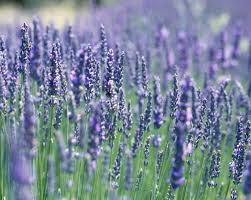
The next plant we had was lavender, we used this particular plant for its strong scent and its bright purple colour, both of which appeal to the senses. Lavender can be used in cooking and also in fragrance or storage reasons mainly because of its strong, fresh, clean scent.

We will be used two of the most common types of lavender in our garden:

English Lavender:          French Lavender:


Lemon Balm:

This herb was the next plant to be in our garden. This perennial herb produces a strong citrus scent and appeals hugely to our smell, perfect for our sensory garden. This herb can be used as a scent for candles and is also used in flavouring ice-creams. 


Taste Garden:

The next part of our garden included herbs and onions, appealing to our sense of taste. We used the following herbs in our garden;

Thyme:

Thyme is mostly used in dishes as a dried herb for flavour, and can also have a strong scent. 
Meaning it appeals to sense of smell also.


Chives:

Chives are mainly used in dishes   
such as soups, fish dishes and for 
seasoning as it is used as flavouring. 


Mint:

Mint is used in medicine as its          
strong scent can help colds or 
chest infections by clearing the 
airways. It is also used in 
cooking and herbal teas.


When we were told about our plants and how they fit into our    garden, we began work. 
           We removed all the weeds from the soil beds in our courtyard too make them look more pleasing. We then used our shovels to toss the soil in these beds to mix the nutrients as the top soil had become dry.We also removed the weeds from around the outside of the beds for clean look. 
          We then each planted a pansy around the circular flower bed to form a 'border'. These flowers are small in size and purple in colour and give out a nice, clean scent.